By Tom Fox, founder of Compliance Podcast Network and co-founder of the Texas Hill Country Podcast Network.
There are moments when a market shifts not because of a new technology, a flashy startup, or a venture-backed disruption, but because an essential institution begins to recede. We may be in one of those moments right now in rural America.
As NPR affiliates, public radio stations, and other similar storytelling institutions face funding pressure, programming cuts, or outright retrenchment, a real void is opening. That void is not simply about news. It is about human interest storytelling. It is about who tells the stories of ordinary people doing extraordinary things in the places too often ignored by national media. It is about who records a community’s memory, documents its resilience, and gives voice to lives lived far from the major urban centers. I believe this moment presents a genuine market opening for rural-focused podcasters.
This is not just a mission-driven opportunity, although that certainly is one component. It is also a business opportunity. It is a chance for podcasters rooted in rural communities to step forward and build something of value: trusted local storytelling platforms that can serve audiences, strengthen communities, and create sustainable enterprises. In short, now is the time rural focused podcasts have the opportunity to become a part of the civic infrastructure of the communities they serve.
There are several reasons for this. The first is that a storytelling gap is opening in rural America. When public radio or local media contracts, communities do not merely lose headlines or weather updates. They lose interpreters. They lose the people and institutions that could tell the story behind the story. These are the stories that explain who a community is. In rural America, human interest storytelling is part of civic infrastructure. It gives communities a sense of self. It preserves continuity.
But the key is that rural podcasters possess an advantage that outside media simply cannot replicate. In local storytelling, proximity is not a liability. A national media outlet may visit a town for a day. A rural podcaster lives there. A local podcaster understands what happened before the crisis, who the trusted voices are and what the event will mean six months later. That local knowledge matters. Context matters. Trust matters even more.
A rural podcaster knows the school superintendent, the Rotarians, the Chamber of Commerce Executive Director, the County Judge, the longtime café owner, and the volunteer leader who shows up whenever the town is in need. More importantly, the community knows the podcaster. In many places, that relationship opens doors. People will tell their stories to someone they know, someone who has shown up repeatedly and someone who demonstrates genuine care for the place and the people in it.
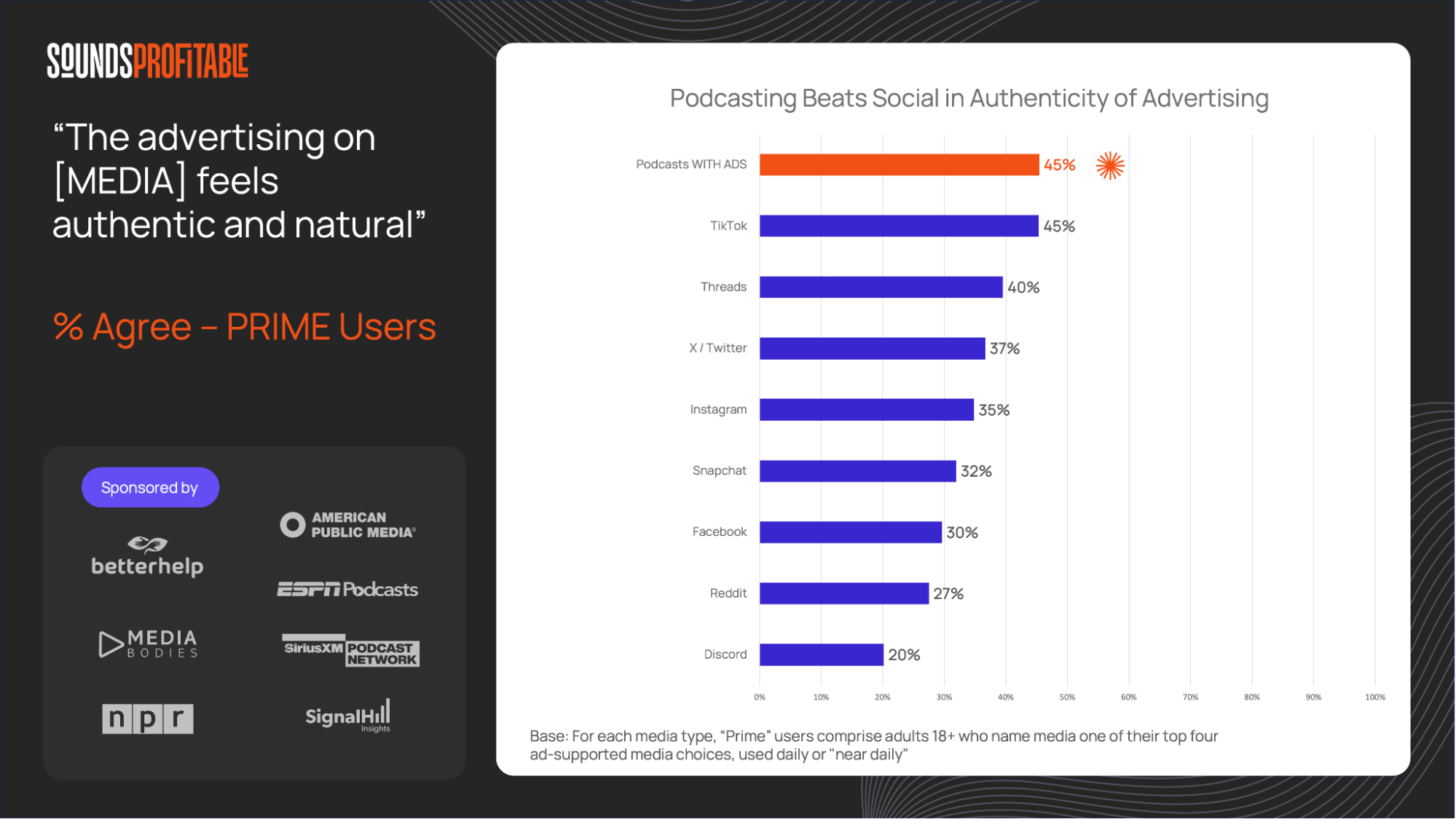
Trust has become the most important differentiator. Anyone can upload audio. Not everyone can build credibility. Rural podcasters can, and that trust is their competitive edge.
Yet it is important to be clear-eyed about the commercial side of this opportunity. Human interest storytelling in rural America is not simply worthy work. It can also become sustainable work. Audiences are increasingly hungry for authentic, grounded stories with texture, specificity, and heart. They are weary of generic content. They want stories that feel real. Rural communities are full of such stories.
There is also a sponsor ecosystem for this work. Community banks, rural hospitals, local colleges, chambers of commerce, community foundations, tourism bureaus, regional law firms, agricultural suppliers, and family-owned businesses all have a stake in trusted local platforms. Need more sponsors, the barber, the plumber, the IT guy or any other local business. These organizations are not merely buying ad space. They are investing in relevance, credibility, and community connection.
That means the opportunity for rural podcasters is not necessarily to become the next giant media network. It is to become indispensable in a particular place. A podcast with a deeply engaged audience in one county, one region, or one rural corridor can be every bit as meaningful and, importantly, every bit as viable as a larger but more diffuse platform. The future of independent media will not be built on size alone. It will be built on trust and usefulness. This leads to a key operational lesson: the winning model is consistency, not scale. Consistency creates trust. Trust creates loyalty. Loyalty creates opportunity.
Over time, something powerful begins to happen. A podcast ceases to be simply a show and becomes a community institution. People begin to bring stories to you. They tell you about the family business celebrating its centennial, the quiet philanthropist who paid a neighbor’s hospital bill, the student who came home after college to serve, the flood survivor rebuilding with resilience or the civic leader working without fanfare to keep a town moving forward.
That accumulation of stories becomes an archive of community memory. Such an archive has real value. It can inform, inspire, and connect. It can also differentiate a podcast in a crowded marketplace, because no one else will have that same body of work rooted in that same place.
Most importantly, rural podcasters have an opportunity to become part of the civic infrastructure of the communities they serve. This is a broader and more meaningful role than simple content production. When legacy storytelling institutions weaken, communities risk losing connective tissue. They lose shared spaces where voices can be heard, experiences can be honored, and local identity can be reinforced.
Podcasters do not and will not replace newspapers or public radio. Nor should they attempt to do so. But they can complement what remains and, in some places, fill part of the vacuum that retreating institutions leave behind. That is why I see this not simply as a media trend but as a strategic opening. When legacy institutions pull back, stories do not disappear. The need for storytelling remains. The need for trusted narrators remains. The need for people willing to listen carefully and record faithfully remains.
Rural America does not need less storytelling. It needs new storytellers. This is the moment for podcasters to answer that call.