Written by Jim Salveson, Director of Sport, Sport Social Podcast Network
How trust, brand safety, and a new era of fan behaviour are reshaping sports media.
Sports media has changed forever. Rights holders are no longer dependent on broadcasters to reach their audience. Instead, they’ve become their own publishers, building direct relationships with fans through owned channels. As one industry analogy suggests, they’ve moved from being wholesalers to shop owners, creating their own storefronts to serve loyal customers on their own terms.
This shift isn’t just about control; it’s about intimacy. Fans want more than highlights and headlines. They want access, context, and authenticity. They want the stories behind the moments. And that’s where podcasting has quietly become one of the most powerful tools in modern sports media.
In a fragmented attention economy, podcasts offer something rare: time and trust. That makes them one of the most strategically valuable channels for rights holders and brands today.
The Shift: From Broadcasters to Direct Fan Relationships
Sports fans have never had more choice: more platforms, more creators, more noise. But with scale comes saturation. Rights holders who once relied solely on broadcasters to deliver their message now recognise the strategic necessity of owning the relationship with fans.
Podcasting is one of the few channels fans actively choose to spend meaningful time with. Many listeners follow several shows and consume multiple episodes weekly, which is a sign of habitual, loyal engagement (Ofcom).
This depth of attention is reshaping fan behaviour. Podcasts invite more immersive, emotional relationships between fans and the organisations they follow. They are consumed while commuting, cleaning, cooking, training, but increasingly, they’re consumed socially too. Co-listening is rising, particularly among younger fans who treat podcasts as shared experiences rather than background noise. That communal aspect amplifies reach and strengthens loyalty.
For rights holders, this shift from broadcast-era distance to podcast-era intimacy represents a major strategic opportunity: direct, daily, unfiltered connection.
Podcasting as a Content Engine
For rights holders, a podcast isn’t just an audio file. It’s a full-stack content engine.
One episode can fuel a week’s worth of output: short-form clips, vertical video, written features, and social cutdowns. It turns a single conversation into multi-platform storytelling. Adding reach to the engagement already happening in audio.
A powerful example comes from our partner, Wolverhampton Wanderers.
When Rob Edwards was appointed their new manager in November 2025, the club didn’t stop at a press release. On Wolves Express, a fast-paced news-led show, fans heard from key figures inside the club, adding context and clarity to the decision. On Wolves Unpacked, a tactics-focused show, host Dave Edwards, drawing on his personal relationship with the new boss, delivered an emotional, candid conversation that resonated deeply with supporters. Both shows were released within 15 minutes of the official announcement, testament to the flexibility of the medium.
This is the difference between information and connection. Between updates and understanding. Between reach and resonance.
Podcasting transforms routine announcements into meaningful moments, and every rights holder can apply this same model.
Why Podcasting Is One of the Most Trusted Channels in Sport
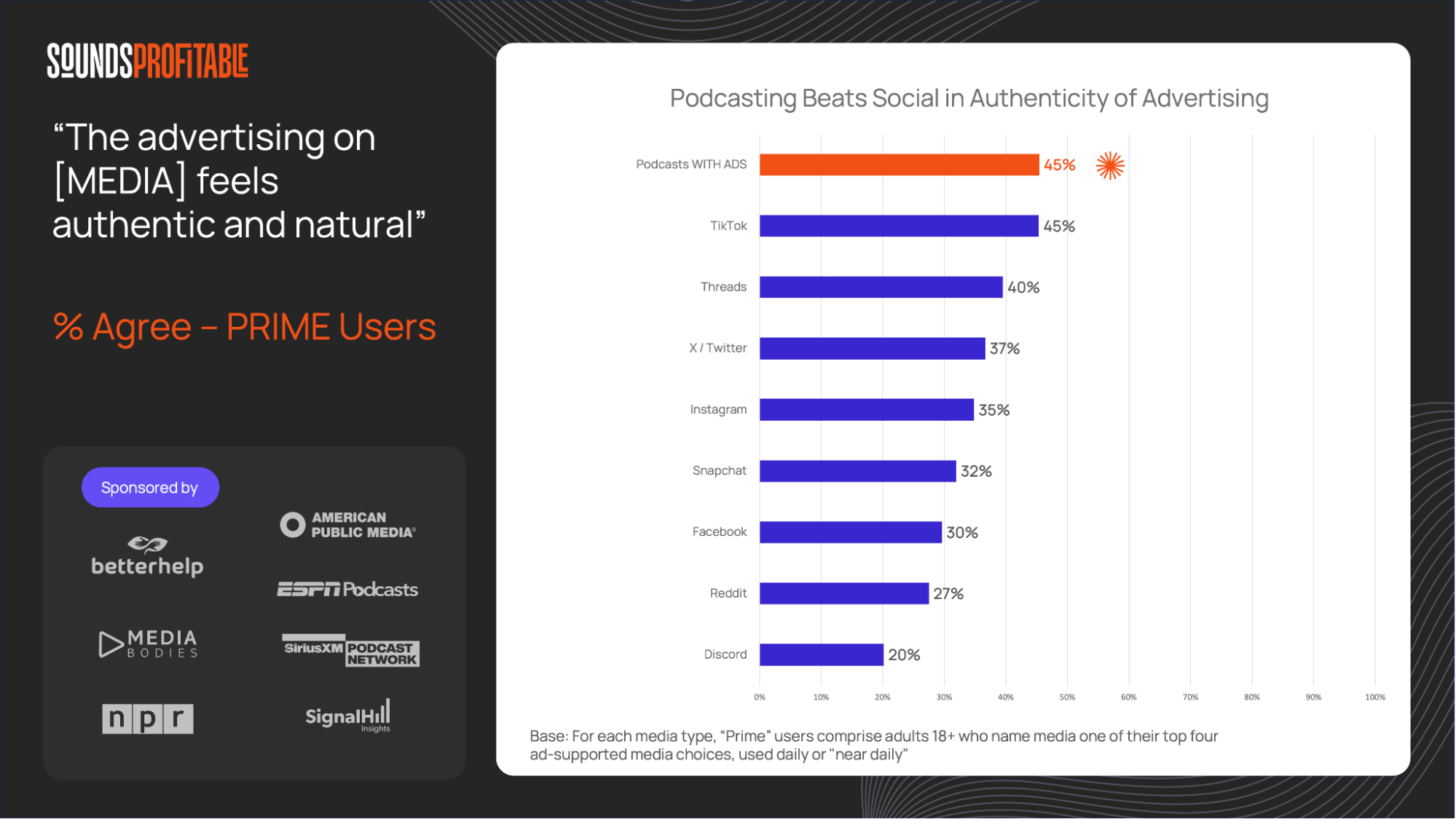
Trust is now the most valuable currency in sports media. Fans are increasingly sceptical of algorithmic feeds, low-quality content, and unverified commentary. They want authenticity, proximity, and the assurance that what they are consuming is credible.
Podcasting delivers this.
Podcast formats are valued for their authenticity and conversational tone with 79% choosing podcasts because they feel personal and conversational (Podcasting Today – Podcast Pulse 2025). 84% say a podcaster has changed their mind about something they once believed in (Podcast Pulse, 2025).
This level of trust is a major reason brands are shifting spend into podcasts, but it’s also a growing priority for rights holders concerned about brand safety. Podcasting offers a controlled environment: vetted hosts, clear editorial oversight, and narrative continuity. It enables rights holders to tell their story on their terms, without the risk of miscontextualised clips or manufactured outrage that can accompany social platforms.
Podcasting builds credibility, and in today’s sports economy, credibility wins.
Why Podcasting Completes Sport Sponsorship
For brands, podcasting isn’t a “nice-to-add” media line. It completes the sponsorship ecosystem.
Shirt logos, LED boards, and perimeter advertising deliver visibility. Social activations deliver reach. But with the add-in of podcasting, brands gain something those channels can’t offer: meaning.
Podcasting gives brands a platform to tell richer stories, embed themselves in fan culture, and align with the emotional heartbeat of sport. Branded episodes, co-created series, and talent-led conversations offer depth, while podcast-driven short-form and social audio help reach younger audiences who may never watch a full match live.
And crucially, the engagement is real. In 2025 there are an estimated 115 million weekly podcast consumers (12+) in the US, up from 27 million in 2015 (Edison Research, The Infinite Dial 2025). 773 million hours per week are spent listening to podcasts in the US (Edison Research, The Infinite Dial 2025). Podcasts are woven into daily life, providing brands with recurring, intentional contact moments rather than fleeting impressions.
Sport podcast sponsorship is not just about logo placement, it’s about narrative placement. And podcasts are where those narratives live.
Spotify found that 81% of listeners took action after hearing host-read ads during a podcast (Spotify). Host-read formats deliver higher levels of trust and conversion, showing that podcasts offer something rare in sport: measurable emotional impact.
What’s Next For Sports Podcasting?
Podcasting’s importance is accelerating.
AI will personalise content and advertising with unprecedented accuracy. Video podcasts will dominate YouTube, TikTok, and the sports creator space expanding reach. Dynamic ad targeting and subscription models will unlock new revenue streams for rights holders and partners. And as major platforms integrate social features like comments, reactions, and clips, podcasting will become even more interactive.
The rights holders and brands who will win in this next phase are the ones who think strategically now. Those who build podcasting into their content ecosystem and not as a side project, but as a core channel, will own deeper fan relationships, unlock more valuable sponsorship opportunities, and future-proof their media footprint as the landscape continues to shift.
At Sport Social, we work with some of the biggest soccer clubs on the planet and help rights holders and brands harness this opportunity end-to-end: from strategy and concept development to talent sourcing, production, distribution, and amplification. Our approach starts with KPIs and ends with measurable impact, building podcasts that don’t just sound good, but drive genuine value.
Podcasting isn’t emerging anymore. It’s established. It’s effective. And it’s only getting stronger.
For rights holders, it’s a direct line to fans. For brands, it’s a storytelling engine rooted in trust. And for the sports industry as a whole, podcasting has become a must-have channel in a world where attention is scarce, but connection still matters.