The Sound of a Global Game
There was a time when the defining sound of the World Cup was the roar inside the stadium or the authoritative tone of a broadcaster on BBC Sport or Sky Sports.
In 2026, the defining sound is just as likely to be a familiar voice in a pair of headphones. A host speaking directly to a listener on a commute, at the gym, or late at night, unpacking what the tournament means in real time, with a focus on a niche that really connects with their chosen audience.
Podcasting has matured into a powerful layer that sits alongside live coverage, giving space for reflection, debate and deeper connection. In the four years since the last tournament, podcasting has shifted from a complementary format into a defining part of how fans experience major sporting events.
The World Cup is no longer a one-way broadcast. It is an always-on conversation.
From Commentary to Conversation
Traditional coverage remains essential.
It delivers the spectacle, the live moment, the shared national experience. But it is broad in nature (it’s a broadcast) and is purely a one-way communication.
Podcasting in contrast operates in a many-to-many environment where conversations travel between creators, communities and cultures allowing a depth of conversation and a sharpness of focus that traditional broadcast media cannot.
It’s an inverted model that creates a world where audience chose the content they wish to engage with, extending the lifespan of a match beyond ninety minutes, turning moments into conversations.
Undr The Cosh captures this shift clearly. George Power said:
“Podcasting creates a unique relationship between creators and their audience. People build podcasts into their weekly routines… Over time, that creates a level of trust and familiarity that traditional media can struggle to replicate.”
That trust allows for something broadcast rarely provides at scale: emotional honesty, longer-form analysis, and perspectives that extend beyond studio consensus.
Adam Hurrey from Football Cliches describe podcasting as offering “a more direct connection to listeners, underneath the news cycle and cutting through the reactive energy of the traditional media, and a more human feel.”
New Voices, New Audiences
The most significant transformation over the past four years is not just in format, but in who gets heard. Podcasting has lowered the barriers to entry, allowing creators from underrepresented communities to reach audiences directly. From diaspora-led shows analysing national teams to female-led football culture podcasts, the range of voices has expanded far beyond what legacy broadcasters can typically accommodate.
Darren Rees Football For Kids highlights an often-overlooked audience entirely: “The ‘Kids & Family’ category is often overlooked by ‘serious’ sports media, but the impact is enormous. Podcasting allows a single voice to reach millions of families in a way that traditional TV often fails to do.”
And despite maybe not being an “underrepresented voice” by their own admission, Power from Undr The Cosh recognizes the ability to platform such voices as a key strength of the medium: “One of its biggest strengths is accessibility. There’s now a podcast for almost every interest, perspective, and community. That means audiences have more opportunities than ever to find voices they genuinely connect with.”
This expansion is especially relevant in the United States, where Hispanic audiences represent one of the fastest growing football fan bases. Podcasting allows creators to speak in culturally specific tones and languages, creating deeper connection than mainstream coverage can achieve. This additional content doesn’t fragment audiences by pulling them away from mainstream coverage. Instead, it deepens engagement, building a collection of parallel narratives with shows that truly reflect their audiences, their voices and their culture.
Direct to Fan Engagement
Intimacy is podcasting’s defining advantage.
Hosts are not presenters they are members of their own audience’s community who naturally know the best way to communicate with that collective.
That difference shapes tone, language and identity. It allows creators to reflect the lived experience of their listeners, whether that is a diaspora community following a home nation from afar or a group of friends reacting minutes after a final whistle.
Power reflects on this connection in the context of the World Cup: “It’s important not just to be there covering the tournament, but to create content… and make our audience feel like they’re part of the journey with us.”
This sense of shared journey has been amplified by the rise of live and higher-frequency podcasting. Recent industry acquisitions (such as Global’s purchase of “The United Stand”) have centered on formats that prioritiseies cadence and audience relationship.
Liveness builds habit, presence and trust. During a tournament defined by daily drama, those qualities become commercially and culturally powerful.
Podcasting as a Gateway to the Game
The World Cup could be a potential shift in the role of podcasting.
Where it has previously been an accompaniment to sport, it could now become a gateway with underrepresented audiences finding the sport via voices they trust that speak in a way they connect with.
Darren Rees from Football For Kids positions this role as essential: “While TV provides the live spectacle, podcasts provide the ‘after-market’ inspiration. We are the ones keeping the conversation going long after the final whistle has blown.”
The time zone challenges of a US-based World Cup only strengthen this role. As Power from Undr The Cosh notes, podcasts allow fans to “catch up on everything that happened overnight during their morning commute.” In this sense, podcasting operates as a parallel broadcast channel, one that complements live rights rather than competing with them.
For advertisers, this ecosystem presents a different kind of opportunity. As Undr The Cosh explains: “Podcasting gives brands another way to be part of the conversation, allowing them to reach highly engaged audiences in a more direct and authentic way.” The combination of trust, routine and niche targeting creates an environment where brand messages feel integrated rather than interruptive.
For broadcasters and rights holders, the message is equally clear. Podcasting is now a key part of how fans interact with major sporting events, not as as a threat to traditional coverage but as an extension of it.
A “Fan Called” World Cup
The World Cup has always been defined by what happens on the pitch. In 2026, it will also be defined by what happens in bedrooms, cars and headphones around the world. It’s arguably the first time a World Cup’s narrative will be decided by creators and potentially vary depending on where each audience decides to spend its item.
The voices of the World Cup are no longer limited to commentary boxes. They are everywhere. They form an audio tapestry that runs alongside the matches themselves, capturing emotion, identity and community in ways that traditional coverage alone cannot achieve.
There will still be moments of national togetherness and stories that emerge that seep into every corner of content, but each will still be delivered with varying context, humour and meaning.
Power from Undr The Cosh summarises the role succinctly: “Podcasts are becoming a major part of how fans keep up with tournaments.”
For advertisers, this is a space built on trust and engagement. For broadcasters, it is a channel for relevance beyond the live moment. For audiences, it is where the World Cup becomes personal.
About The Podcasts:
Undr The Cosh
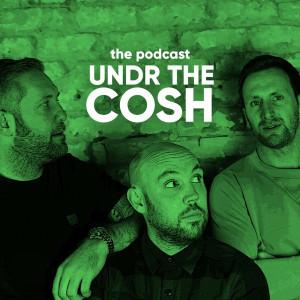
Undr The Cosh” is more than just a podcast — it’s a front-row seat to the raw, unfiltered, and often hilarious stories from the world of football. Hosted by former professional footballers Jon Parkin, Chris (Browny) Brown, and award-winning writer Chris Brown, the show offers an inside look into the game that fans rarely get to see. With a rapidly growing YouTube channel and an audio podcast that has taken the footballing world by storm, “Undr The Cosh” is your go-to source for real football talk, legendary player interviews, and behind-the-scenes banter.
Football For Kids

Introducing the Football for Kids Podcast – the perfect audio-only show for young football enthusiasts! Join host Darren Rees (@DarrenRees_) as he shares fascinating facts, exciting stories, and valuable insights from the world of football. Every episode is thoughtfully produced, written, and recorded to give your kids an immersive listening experience. Have any questions or suggestions? Email at Footballforkidspodcast@gmail.com.
Football Cliches

In what other context do football fans use the words ‘aplomb’ or ‘derisory’? Why don’t we use ‘rifle’ as a verb on the other six days of the week? Why do aggrieved midfielders feel the instinctive need to make a giant ball-shaped gesture with both hands after a mistimed tackle is punished?
The more football Adam Hurrey watched, the more he began to spot the recurring mannerisms, behaviours, opinions and iconography that were mindlessly repeated in the football media.
Some cliches are ridiculous, some are quaintly outdated, some have survived through their sheer indisputability. Here, they are covered in all their glory.
The podcast releases two episodes a week, on Tuesdays and Thursdays, in several formats – ‘The Adjudication Panel’, discussing the week’s cliche issues, a monthly ‘The Football Cliches Quiz’, and ‘Mesut Haaland Dicks’ – the Cliches version of Desert Island Disks, often with a famous guest from the world of football.